

Real Estate Mold Inspection in Newark, DE
Newark's year-round humidity—a feature of the region's Piedmont-to-Coastal Plain transition—keeps indoor moisture levels persistently elevated, creating conditions where mold can develop throughout homes and businesses. Older properties in neighborhoods like Downtown Newark and College Park often include basements or crawl spaces where trapped humidity accelerates growth if ventilation and sealing are inadequate. Real estate mold inspection identifies moisture sources and affected areas early, protecting your property's structural integrity and indoor air quality before remediation becomes necessary.
What does a mold inspection mean for a Newark, DE home sale?
Before paying for sampling it is worth knowing what a result can and cannot establish. EPA publishes an answer, quoted here as written.
Standards or Threshold Limit Values (TLVs) for airborne concentrations of mold, or mold spores, have not been set.EPA
Currently, there are no EPA regulations or standards for airborne mold contaminants.EPA
That matters more in a transaction than anywhere else, because it means no result can make a house pass or fail. What an inspection can establish is where moisture is getting in and whether a previous clean-up actually worked — which is what a buyer, a seller and a lender are each really asking.
Surface sampling may be useful to determine if an area has been adequately cleaned or remediated.EPA
In Newark, 20.5% of homes predate 1960, and New Castle County has flood events on record in 29 separate years — both worth knowing before a sale rather than after.Source: US Census Bureau, American Community Survey 2023 5-year estimates, table B25034 — Newark city (10,002 housing units) · NOAA Storm Events Database, New Castle County (1996-2026; Flood, Flash Flood and Coastal Flood events)
Real Estate Mold Inspection Matters in Newark, DE
Newark's location in Delaware's transition zone between the Piedmont and Coastal Plain creates persistently humid indoor conditions throughout the year, keeping moisture levels elevated inside homes and buildings even outside peak rainfall seasons. This year-round moisture environment is particularly challenging in older neighborhoods where basements and crawl spaces are common—these below-grade spaces tend to accumulate trapped humidity, and without proper ventilation or moisture barriers, they become prime environments for mold growth. For property owners and buyers in Newark, a thorough real estate mold inspection is essential to identify hidden moisture problems and mold before they compromise indoor air quality or property value.
Chase Mold Remediation connects Newark property owners with independent local mold inspection providers who understand the specific moisture patterns affecting homes in the area. A comprehensive real estate mold inspection examines basements, crawl spaces, attics, and other vulnerable zones—identifying not just visible growth, but also moisture sources and early-stage conditions that could lead to larger problems. Whether you're buying, selling, or maintaining a property in Newark, these inspections provide the detailed findings and documentation you need to make informed decisions and plan any necessary remediation with confidence.
Why Newark Property Owners Choose Chase Mold Remediation
Fast Local Mold Inspection Access
Chase connects Newark property owners directly to independent local mold inspectors who understand the area and respond quickly. Same-day or next-day appointments are often available, reducing wait times and letting you address concerns fast.
Clear Findings, Actionable Reports
Real estate mold inspection requires transparent communication. Chase's network providers deliver detailed inspection reports with straightforward findings, photos, and remediation recommendations you can understand and act on immediately.
Thorough, Methodical Real Estate Inspections
Professional mold inspection covers all high-risk areas—visible surfaces, hidden spaces, and moisture sources. Independent inspectors connected through Chase conduct systematic inspections to identify active mold and conditions that support growth.
Inspection for Newark's Year-Round Moisture
Newark's consistent humidity levels create indoor moisture challenges throughout the year, particularly in basements and crawl spaces where air circulation is limited. Real estate mold inspection is essential here to catch moisture-driven mold before it spreads, especially in older neighborhoods where ventilation and sealing may be compromised.
How the Real Estate Mold Inspection Process Works
Schedule Your Real Estate Mold Inspection Visit
Contact Chase Mold Remediation to request a real estate mold inspection appointment in Newark. We'll connect you with a local inspection provider who will assess your property for mold growth, particularly in moisture-prone areas like basements and crawl spaces where humidity can accumulate year-round in this region.
Real Estate Mold Inspection & Assessment
An independent local inspector will conduct a thorough real estate mold inspection of your property, examining visible surfaces, structural areas, and indoor air quality indicators. The inspection report documents findings and outlines any mold remediation needs discovered during the assessment.
Connect With Remediation & Follow-Up
If mold is found, Chase Mold Remediation will connect you with local remediation providers to address the real estate mold inspection findings. The remediation provider will discuss containment, removal options, and prevention measures to help protect your property's long-term indoor environment.
Navigating a Real Estate Mold Inspection in Newark? Get fast, professional support.
Call Now — (302) 775-9923Real Estate Mold Inspection Across Newark
Newark's location in Delaware's transition zone between the Piedmont and Coastal Plain brings persistently humid conditions throughout the year, keeping indoor moisture levels elevated well beyond seasonal rainfall periods. This year-round humidity is a key driver of mold growth in homes and businesses, making Real Estate Mold Inspection particularly important before purchase, sale, or refinancing. Properties in older neighborhoods like College Park and Fairfield often include basements or crawl spaces—common features in established residential areas—where trapped humidity can accumulate if ventilation and moisture barriers are inadequate. These below-grade spaces require careful inspection to identify early signs of mold colonization and moisture intrusion.
Whether you're evaluating a home in a mature neighborhood or a newer area of Newark, a thorough Real Estate Mold Inspection should address the moisture dynamics specific to your property's construction and location. Inspectors connected through Chase Mold Remediation can identify problem areas, assess ventilation adequacy, and recommend whether remediation or preventive measures are needed before you finalize a transaction or occupancy decision.
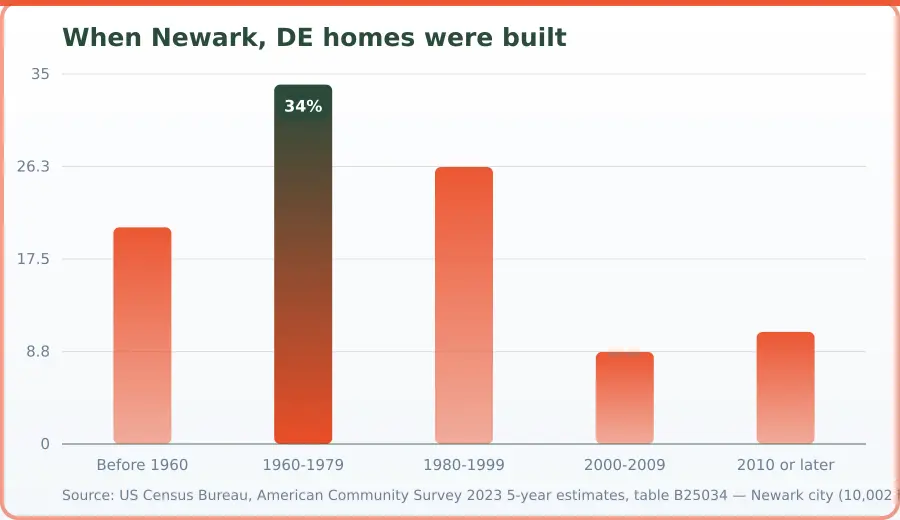
| Period | When homes were built (%) |
|---|---|
| Before 1960 | 20.5 |
| 1960-1979 | 34 |
| 1980-1999 | 26.2 |
| 2000-2009 | 8.7 |
| 2010 or later | 10.6 |
Source: US Census Bureau, American Community Survey 2023 5-year estimates, table B25034 — Newark city (10,002 housing units). Retrieved October 5, 2026.
Real Estate Mold Inspection Through Newark's Seasons
Spring: Rising Moisture Detection
As Newark transitions from winter's cold into spring, thawing groundwater and increased rainfall raise indoor humidity levels, creating ideal conditions for mold to activate in basements and crawl spaces. Real Estate Mold Inspection becomes critical during this season to catch early growth before it spreads. Chase Mold Remediation connects property owners with local inspectors who identify moisture sources and document mold presence during this vulnerable period.
Summer: Peak Visibility and Growth
Summer heat and humidity amplify mold activity, making visible discoloration and musty odors more pronounced in properties throughout the area, including neighborhoods like Downtown Newark and College Park. Real Estate Mold Inspection during these warmer months often reveals colonies that remained dormant or less obvious earlier in the year, giving buyers and sellers clear evidence for remediation decisions. Chase Mold Remediation helps property owners schedule inspections when mold is most detectable and actionable.
Fall: Pre-Winter Assessment
Autumn's drying trend means Real Estate Mold Inspection results reflect the true moisture baseline before heating systems activate indoors, offering inspectors and property owners an honest picture of what sealed conditions will produce. Inspections performed in fall help identify whether current ventilation or drainage will prevent mold problems when homes are closed tight against winter weather. Chase Mold Remediation facilitates inspections timed to guide remediation before the heating season locks in humidity patterns.
Winter: Trapped Humidity Challenge
Delaware's Piedmont-to-Coastal Plain transition keeps indoor air consistently humid year-round, and winter's sealed homes intensify trapped moisture, especially in older properties with basements or crawl spaces where ventilation is limited. Real Estate Mold Inspection during winter reveals how baseline humidity levels support mold persistence even when outdoor conditions are cold and dry. Chase Mold Remediation connects inspectors who evaluate whether moisture control measures are adequate to prevent active growth through the season.
Real Estate Mold Inspection FAQs — Newark, DE
A real estate mold inspection examines your property for signs of mold growth, moisture damage, and conditions that allow mold to thrive. The inspector typically checks visible areas—walls, ceilings, floors, and basements—plus moisture levels and ventilation. They document findings in a detailed report that helps you understand the scope of any mold issue and next steps for remediation if needed.
Chase Mold Remediation works with independent local mold inspection providers in the Newark area to connect you as fast as possible. Response times depend on inspector availability, but our goal is to link you with a qualified local provider promptly so you can schedule your inspection without unnecessary delay.
Real estate mold inspection pricing depends on property size, inspection scope, accessibility of areas like basements and crawl spaces, and the complexity of testing needed. Individual providers in Newark set their own rates based on the work required. When you connect through Chase Mold Remediation, you can discuss your specific property details to receive an estimate from local providers.
Before inspection day, clear access to basements, crawl spaces, and other areas where mold commonly grows. Make note of any visible moisture, water stains, or odors you've noticed. Provide the inspector with your home's history—past water damage, roof leaks, or plumbing issues help them focus the inspection. Have utilities accessible if moisture testing is needed.
After inspection and remediation, focus on moisture control: improve ventilation in basements and enclosed spaces, use dehumidifiers if humidity stays elevated indoors, and fix any water leaks promptly. Ensure gutters and downspouts direct water away from your foundation. Regular monitoring and maintenance help prevent mold from returning and keep your indoor air quality healthy.
Newark's year-round moisture-rich conditions create an environment where mold can grow readily indoors, especially in areas with poor ventilation or past water intrusion. Many homes in older Newark neighborhoods have basements and crawl spaces particularly prone to trapped humidity. Regular real estate mold inspection helps catch growth early, protects your property's integrity, and safeguards indoor air quality before problems become extensive.
Related Services
Homeowner Safety Toolkit
Verify Your Newark, DE Mold Remediation Company
Before you hire anyone, use these independent national resources to confirm credentials, standards, and track record.
EPA
The federal government's own guidance on identifying, cleaning up, and preventing mold growth in a home.
Mold Prevention GuideIICRC
Publishes the S520 standard for professional mold remediation. Confirm a company's technicians hold real, current IICRC certification before you hire them.
Verify CertificationCDC
Covers the health effects of mold exposure and safe cleanup practices, separate from the remediation work itself — useful if anyone in the home has respiratory symptoms.
Mold Health GuideArranging a Real Estate Mold Inspection in Newark, DE for a home sale or purchase? Call (302) 775-9923 for 24/7 help connecting with a local provider.
Call Now — (302) 775-9923Areas We Serve in Newark, Delaware
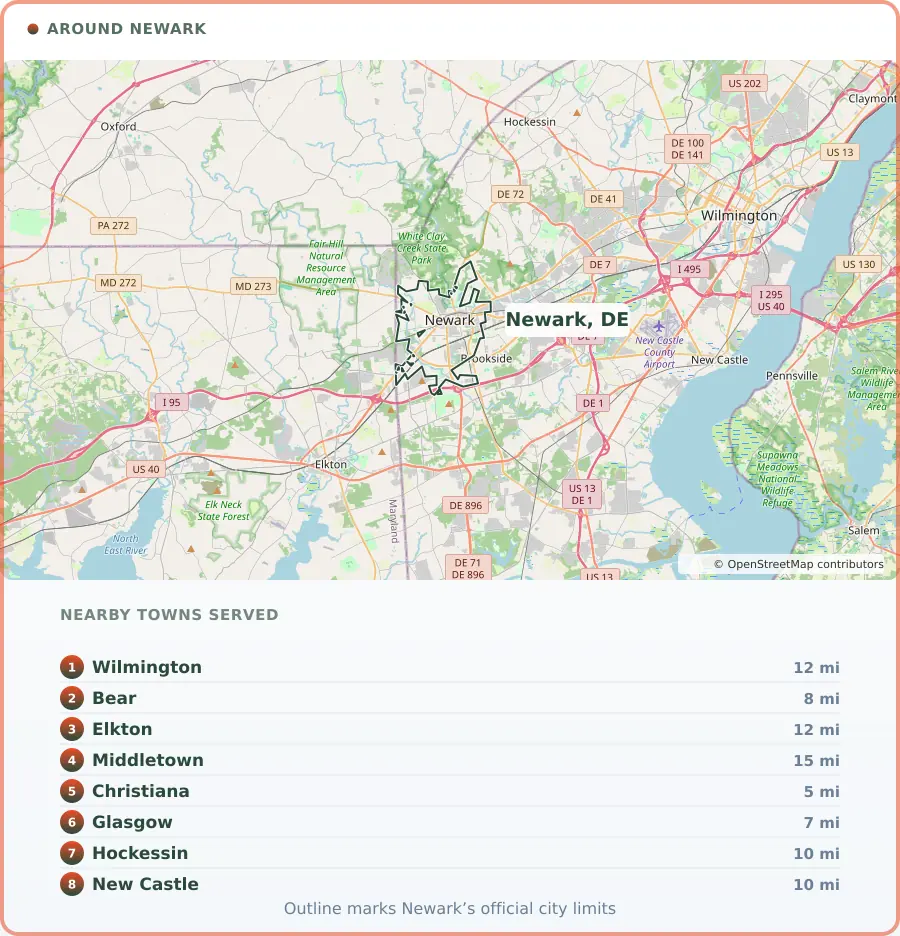
Serving Newark, DE and 8 communities around it. Local knowledge of how each area is built shapes how the work is handled there.
Newark, DE Information
Newark, Delaware is a college town with a diversified backbone. The University of Delaware sets the rhythm of daily life here, fueling steady work in education, research, and healthcare, while major financial employers like Bank of America, JPMorgan Chase, and Capital One keep the local economy humming well beyond campus. Add in a longstanding chemical and biotech presence tied to the state's DuPont heritage, with companies like AstraZeneca and W.L. Gore & Associates in the mix, and you get a city of roughly 31,000 residents that rarely leans on any single industry.
That balance shows up in the neighborhoods, too. From the walkable energy of Downtown Newark to the quieter streets of College Park, the city blends student life with family roots and genuine small-town character, all tucked into the heart of the Delaware Valley.
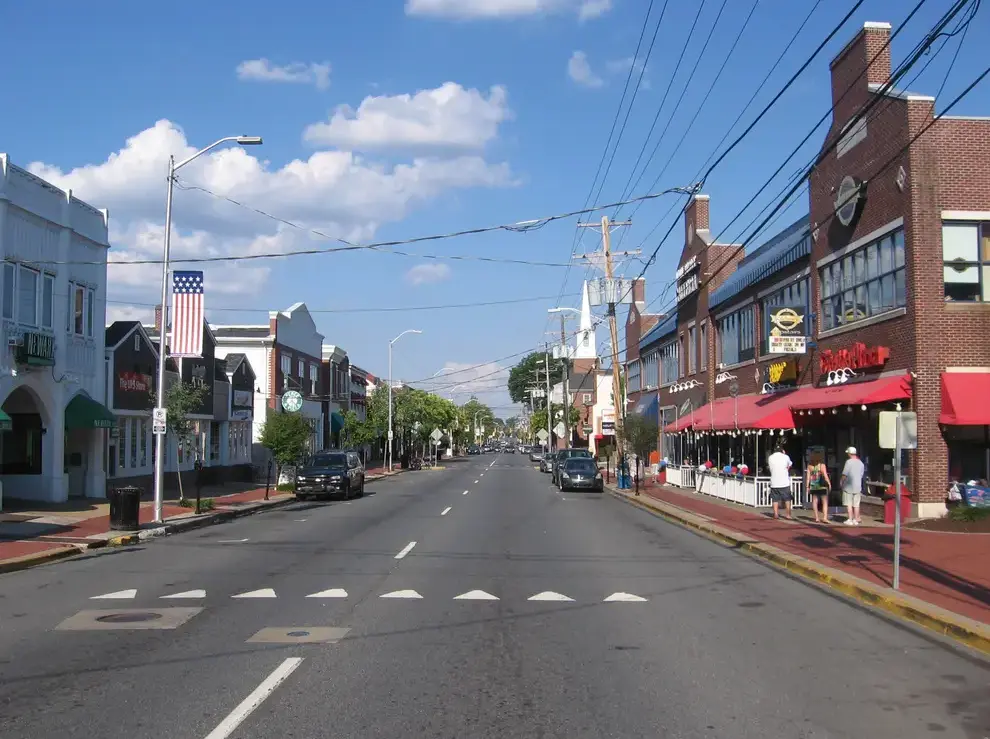
Photo: PookieFugglestein, CC0