

HVAC Mold Removal in Newark, DE
Newark's year-round humidity keeps indoor moisture levels elevated, creating persistent conditions where mold can develop in HVAC systems and ductwork if air handling isn't properly maintained or if condensation accumulates in ducts and plenums. Homes throughout areas like College Park and Downtown Newark are especially vulnerable when ducting runs through basements or crawl spaces where trapped moisture lingers. Chase Mold Remediation connects Newark property owners with local mold removal providers who can inspect HVAC components, remove active mold, and help restore healthy indoor air quality.
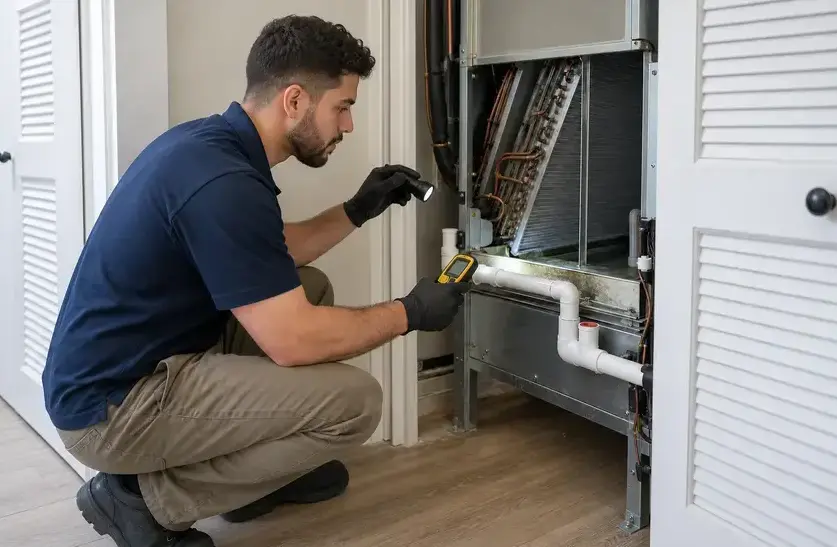
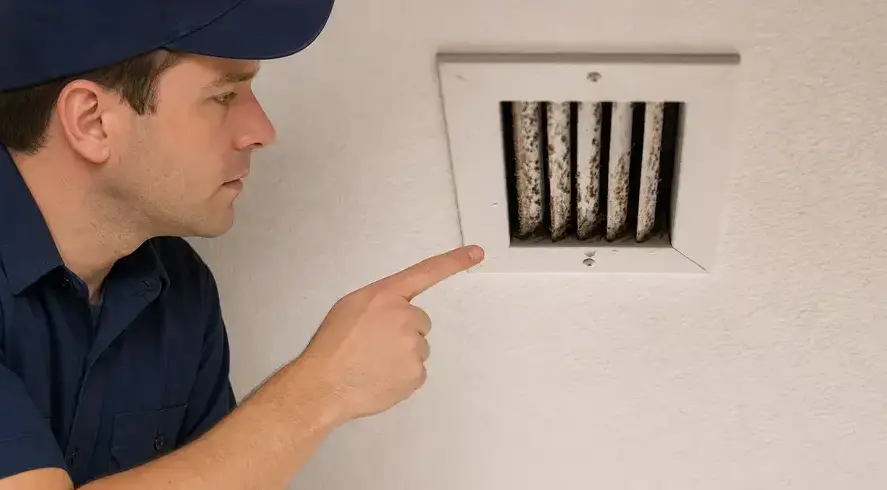
HVAC Mold Removal Newark, DE Homeowners Need
Newark's year-round humid climate creates persistent indoor moisture conditions that make HVAC systems particularly vulnerable to mold colonization. The steady humidity levels typical of Delaware's Piedmont-to-Coastal Plain transition zone mean that air ducts, evaporator coils, and ventilation passages remain damp for much of the year—ideal conditions for mold to establish itself within the very systems designed to circulate air throughout your home. When mold takes hold in your HVAC infrastructure, it doesn't just affect air quality; it can spread spores into every room, creating an ongoing source of contamination that surface cleaning alone cannot resolve. Property owners throughout Newark and neighboring communities recognize that addressing mold at its source within heating and cooling equipment is essential to protecting both indoor air quality and system performance.
Chase Mold Remediation connects Newark property owners with independent local providers who specialize in identifying and removing mold from HVAC systems with the thoroughness the job demands. Rather than treating visible mold as an isolated problem, these providers assess your entire ventilation network—from ductwork to coils to registers—to locate hidden growth and address contamination comprehensively. After removal, they focus on reducing the moisture and humidity conditions that allowed mold to develop, helping restore your system's ability to circulate clean air. If related moisture issues are present, the providers you connect with can discuss those as well. Taking this systematic approach means addressing not just what's visible, but the underlying conditions that put your HVAC system at risk in the first place.
Why Newark Property Owners Choose Chase Mold Remediation
Expert HVAC Mold Removal Connection
Chase connects Newark property owners directly to local independent providers who specialize in HVAC mold removal. Fast referrals mean your heating and cooling system gets assessed and treated promptly, restoring air quality without unnecessary delays.
Clear Communication Throughout Treatment
When mold enters your HVAC system, you need straightforward information about what's happening and why. The providers Chase connects you with explain findings, treatment methods, and next steps in plain language, keeping you informed every step of the way.
Thorough HVAC Mold Assessment
Surface cleaning isn't enough for HVAC mold. Chase's network of local providers conducts detailed inspections of ductwork, coils, and air handlers to identify all affected areas, then removes mold and addresses conditions that allow it to return.
Newark's Year-Round Humidity Challenge
Delaware's transitional climate keeps indoor humidity elevated throughout the year, creating ideal conditions for mold growth in HVAC systems. Homes and older buildings in neighborhoods like Downtown Newark and Fairfield face constant moisture pressure, making professional HVAC mold removal and preventive maintenance essential for long-term air quality.
How Our HVAC Mold Removal Process Works
Schedule Your HVAC Mold Removal Visit
Contact Chase Mold Remediation to connect with a local HVAC mold removal provider in Newark. We'll match you with an independent professional ready to inspect your heating and cooling system for mold growth and contamination.
Get Your HVAC System Assessed
The provider conducts a detailed inspection of your HVAC ducts, coils, and air handler to identify mold colonies and moisture sources. Year-round humidity in the Newark area can allow mold to thrive in your system; the assessment pinpoints affected areas and determines the scope of removal needed.
Complete HVAC Mold Removal and Testing
The independent provider removes mold from your ducts and components using containment and remediation methods, then restores airflow and indoor air quality. Follow-up testing confirms that your HVAC system is clear and functioning properly to prevent future mold recurrence.
Dealing with HVAC Mold Removal in Newark? Get fast, professional help.
Call Now — (302) 775-9923HVAC Mold Removal Across Newark and Surrounding Areas
Newark's location in Delaware's transition zone between piedmont and coastal plain creates persistently humid indoor conditions throughout the year—not just seasonally. This year-round moisture burden means HVAC systems work continuously to manage humidity levels, and when ducts, coils, or air handlers aren't properly maintained or ventilated, moisture accumulates in ways that encourage mold growth within the system itself. Older neighborhoods like College Park and Fairfield often have homes with basements or crawl spaces where humidity can rise significantly if ventilation is inadequate, and that trapped moisture can travel through connected HVAC ductwork, spreading spores and reducing air quality across the entire home.
Because moisture stays elevated indoors for extended periods, HVAC mold removal in Newark requires attention to both the system's components and the conditions that allow moisture to build up in the first place. Local independent providers connected through Chase Mold Remediation understand how Newark's climate affects air handler performance and duct integrity, and can recommend containment and removal approaches tailored to homes and businesses in the area. Whether your system shows visible growth or you've noticed musty odors, connecting with a local provider helps ensure thorough assessment and safe remediation.
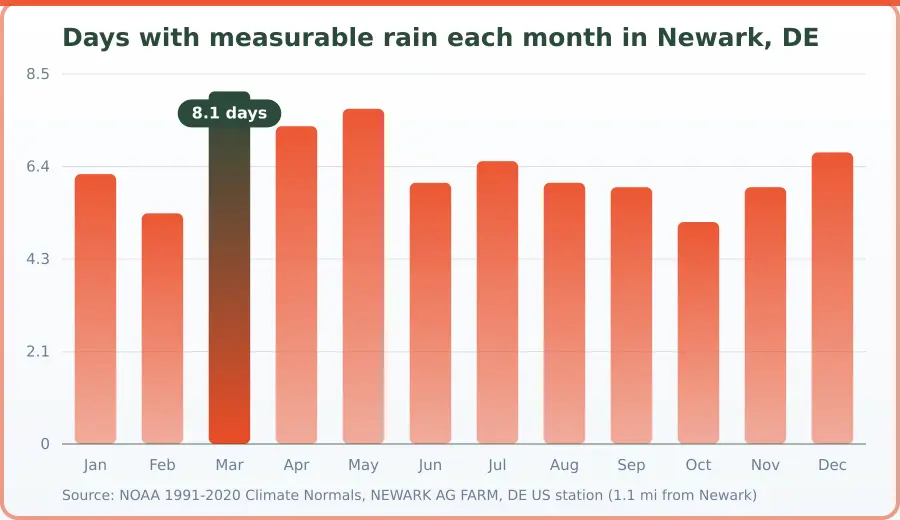
| Period | Days with measurable rain by month (days) |
|---|---|
| Jan | 6.2 |
| Feb | 5.3 |
| Mar | 8.1 |
| Apr | 7.3 |
| May | 7.7 |
| Jun | 6 |
| Jul | 6.5 |
| Aug | 6 |
| Sep | 5.9 |
| Oct | 5.1 |
| Nov | 5.9 |
| Dec | 6.7 |
Source: NOAA 1991-2020 Climate Normals, NEWARK AG FARM, DE US station (1.1 mi from Newark). Retrieved October 5, 2026.
Seasonal HVAC Mold Removal Needs in Newark
Spring: Thaw and Airflow
Spring warming increases air circulation through HVAC systems after winter dormancy, often dislodging mold spores that have accumulated in ducts and coils. Property owners may notice musty odors intensifying as units cycle more frequently. Chase Mold Remediation connects you with local providers who inspect ductwork and evaporator coils for spring mold growth and recommend remediation before pollen season amplifies air quality concerns.
Summer: Cooling Demand
Summer's continuous air conditioning use keeps HVAC systems running longer, and condensation buildup in coils and drain lines creates ideal conditions for mold proliferation. Higher indoor humidity from outdoor heat compounds the risk. Local providers accessible through Chase Mold Remediation can assess whether your cooling system's drainage and insulation are preventing moisture accumulation that feeds active mold growth.
Fall: Moisture Transition
Falling temperatures and shorter days reduce cooling runtime, but transition periods between seasons bring fluctuating humidity that can trap moisture in HVAC components. The shift from air conditioning to intermittent heating creates conditions where condensation condenses in ducts and plenums. Chase Mold Remediation helps property owners schedule inspections during this vulnerable window to catch mold before winter heating cycles seal systems and limit air exchange.
Winter: Humidity Retention
Delaware's Piedmont-to-Coastal Plain geography sustains elevated indoor humidity throughout winter, and HVAC systems—especially in older homes with basements or crawl spaces common to Newark neighborhoods—recirculate this persistent moisture through ductwork and coils where mold thrives. Heating systems running continuously can concentrate humidity in poorly sealed or ventilated return air pathways. Chase Mold Remediation connects property owners with local inspection providers who identify how winter humidity patterns feed hidden HVAC mold before spring air quality deteriorates.
HVAC Mold Removal FAQs — Newark, DE
HVAC mold removal targets mold growth inside your heating and cooling system—in ducts, coils, air handlers, and vents. The process typically includes inspection to locate affected areas, safe containment to prevent spore spread, removal of contaminated materials, cleaning of components, and restoration of airflow. Chase Mold Remediation connects you with local providers who handle the full scope so your system safely circulates clean air again.
Chase Mold Remediation works to connect Newark property owners with independent local providers quickly. Response times vary by provider availability, but the goal is to get someone to assess your HVAC system promptly so you can understand the scope and next steps. Contact Chase with details about your situation to learn what local providers can offer.
Pricing for HVAC mold removal depends on the extent of mold growth, which components are affected, system size, and the complexity of safe removal and cleaning. A provider will inspect your ducts, coils, and air handler to assess the work needed. The independent provider you're connected with will provide pricing based on those findings.
Expect the provider to inspect your entire HVAC system, including ducts and air handlers, to identify mold. They'll explain containment measures to keep spores from spreading through your home, remove affected materials safely, clean accessible components, and restore proper airflow. The appointment length depends on system size and mold extent. The provider will walk you through each step.
After HVAC mold removal, maintain your system by replacing filters regularly, keeping humidity levels moderate indoors, and ensuring your HVAC equipment drains properly. Schedule routine maintenance with a qualified technician to catch moisture buildup early. Proper ventilation in basements and crawl spaces also reduces moisture that can travel to your HVAC system.
Newark's year-round humid conditions create an environment where indoor moisture levels stay elevated, making HVAC systems prone to mold growth in ducts and coils. When air conditioners run or heating cycles create condensation, that trapped moisture inside your system provides ideal conditions for mold. Regular inspection and maintenance help catch growth before it spreads.
Related Services
Homeowner Safety Toolkit
Verify Your Newark, DE Mold Remediation Company
Before you hire anyone, use these independent national resources to confirm credentials, standards, and track record.
EPA
The federal government's own guidance on identifying, cleaning up, and preventing mold growth in a home.
Mold Prevention GuideIICRC
Publishes the S520 standard for professional mold remediation. Confirm a company's technicians hold real, current IICRC certification before you hire them.
Verify CertificationCDC
Covers the health effects of mold exposure and safe cleanup practices, separate from the remediation work itself — useful if anyone in the home has respiratory symptoms.
Mold Health GuideDealing with HVAC Mold Removal in Newark, DE? Call (302) 775-9923 for 24/7 help.
Call Now — (302) 775-9923Areas We Serve in Newark, Delaware
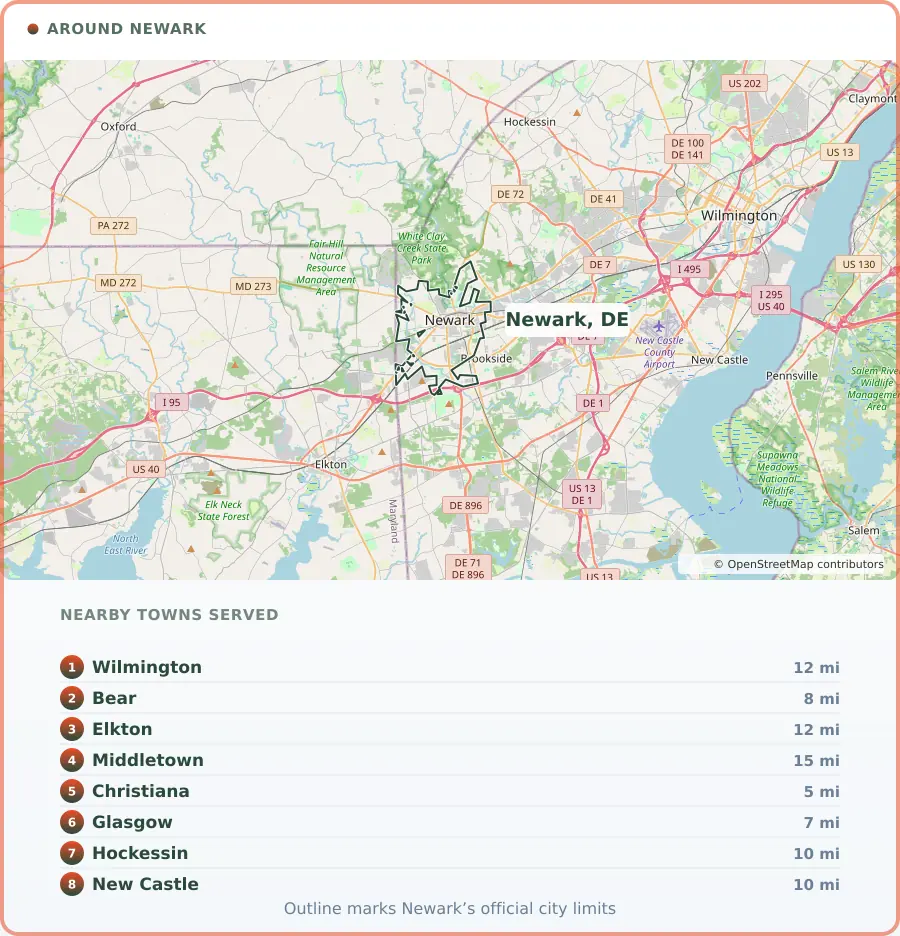
Serving Newark, DE and 8 communities around it. Local knowledge of how each area is built shapes how the work is handled there.
Newark, DE Information
Newark, Delaware is a college town with a diversified backbone. The University of Delaware sets the rhythm of daily life here, fueling steady work in education, research, and healthcare, while major financial employers like Bank of America, JPMorgan Chase, and Capital One keep the local economy humming well beyond campus. Add in a longstanding chemical and biotech presence tied to the state's DuPont heritage, with companies like AstraZeneca and W.L. Gore & Associates in the mix, and you get a city of roughly 31,000 residents that rarely leans on any single industry.
That balance shows up in the neighborhoods, too. From the walkable energy of Downtown Newark to the quieter streets of College Park, the city blends student life with family roots and genuine small-town character, all tucked into the heart of the Delaware Valley.
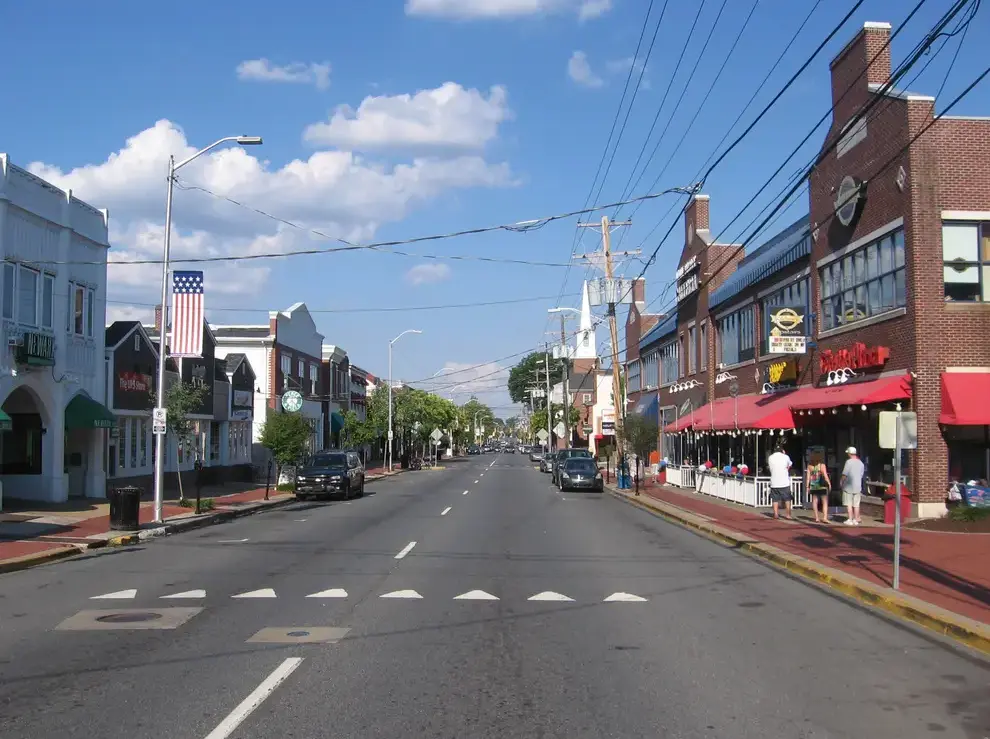
Photo: PookieFugglestein, CC0