

Mold Removal Cost in Newark, DE
Delaware's Piedmont-to-Coastal Plain transition zone creates persistently humid indoor conditions year-round, and older Newark homes with basements or crawl spaces face particular risk of trapped moisture and mold growth when ventilation and sealing are inadequate. Mold removal cost depends on how much area is affected, which materials require treatment or replacement—drywall, carpet, insulation, or HVAC components—and whether containment, air scrubbing equipment, and post-remediation clearance testing are necessary to ensure safe air quality and prevent recurrence. Acting on a mold inspection promptly typically keeps the scope of work smaller, which directly limits the cost you'll face.
Understanding Mold Removal Cost in Newark, DE
Property owners throughout Newark often need to understand what drives mold removal cost before bringing in a provider. The region's consistently elevated humidity—present year-round and not limited to storm seasons—creates persistent indoor moisture conditions that support mold growth, especially in basements and crawl spaces common to older homes in and around the area. When moisture accumulates in these spaces without adequate ventilation or moisture control, mold can develop quickly. Understanding the factors that affect remediation cost helps property owners prepare for the scope of work ahead and recognize why early detection and action matter financially.
Chase Mold Remediation connects Newark property owners with independent local providers who begin every job with a site inspection. During that inspection, the provider assesses the affected materials, the square footage involved, and the containment and equipment needs—all the elements that shape the final cost of mold removal. By understanding what a provider will evaluate and why each factor influences the scope of work, you can make an informed decision before committing to remediation. The faster you address mold growth, the smaller the affected area typically remains, which directly affects the work required and the resources needed to complete it safely.
Understanding Mold Removal Cost in Newark
How Affected Area Size Drives Cost
The square footage of mold-affected material directly determines the scope of removal work. A small closet corner requires less labor and containment than an entire basement wall. Larger affected areas mean more material to remove, more time on site, and potentially more equipment needed to isolate the work zone safely.
Which Materials Must Be Removed or Cleaned
Cost depends on what mold has colonized. Drywall or insulation typically requires removal and disposal. Structural wood may need specialized treatment or replacement. Carpet, flooring, and HVAC components each add to the scope. Hard surfaces sometimes can be cleaned; porous materials usually cannot.
Containment and Air Quality Equipment
Larger or more complex jobs require negative air pressure containment and HEPA air scrubbers to prevent spores from spreading during removal. Setting up and running this equipment adds labor and equipment costs. Post-remediation clearance testing, if recommended, also increases the total scope of work.
Newark's Year-Round Humidity and Basement Risk
Delaware's humid climate keeps indoor moisture levels elevated throughout the year, not just during wet seasons. Homes in Newark and surrounding areas—especially older properties with basements or crawl spaces—face persistent conditions that encourage mold growth if ventilation and moisture control aren't maintained. Trapped humidity in below-grade spaces often means larger, more established mold colonies that require more extensive removal and structural rebuild work.
How Your Mold Removal Cost Is Estimated in Newark, DE
Request an On-Site Estimate
Contact Chase Mold Remediation to describe where you've noticed mold or water damage in your Newark home. A local independent provider will schedule a time to visit your property and assess the full scope of mold removal work needed.
Assess Affected Area and Scope
The provider inspects the affected materials—drywall, carpet, insulation, HVAC components—and measures square footage to determine what removal, containment, air filtration, and post-remediation clearance testing the mold removal cost will include. Humidity and moisture levels are evaluated, especially in basements and crawl spaces where trapped moisture commonly sustains mold growth in Newark properties.
Review the Removal Estimate
The provider presents an itemized estimate showing what drives the mold removal cost: affected area size, materials involved, containment and air-scrubbing equipment needs, structural rebuild after removal, and clearance testing. You review the scope before approving any work to begin.
Wondering about Mold Removal Cost in Newark? Get an on-site estimate from a local provider.
Call Now — (302) 775-9923What Drives Mold Removal Cost in Newark
Mold removal cost in Newark depends directly on how much of your property is affected and what materials the mold has colonized. A small patch on drywall in a single room requires far less work—and therefore lower cost—than mold spreading through insulation, carpet, subflooring, or HVAC ductwork. Older homes in neighborhoods like Barksdale and College Park often have more concealed cavities, basement spaces, and aged construction materials that can harbor mold deeper within walls and foundations, which increases the scope of inspection and removal work compared to newer construction. The region's consistently elevated humidity and seasonal rainfall mean moisture can accumulate in basements, crawl spaces, and poorly ventilated areas year-round, creating conditions where mold grows faster and more extensively if not addressed promptly.
Beyond the mold itself, removal cost is shaped by containment and equipment needs. Larger affected areas typically require negative air pressure systems and HVAC-grade air scrubbers to prevent spore spread during the remediation process. Once mold is removed, the underlying cause—whether water intrusion, condensation, or poor drainage—must be addressed to prevent recurrence. Structural repairs, material replacement, and post-remediation clearance testing each add to the scope and therefore the cost. The faster you act after discovering mold, the smaller the affected area is likely to be, which keeps the overall work scope—and your removal cost—proportionally lower.
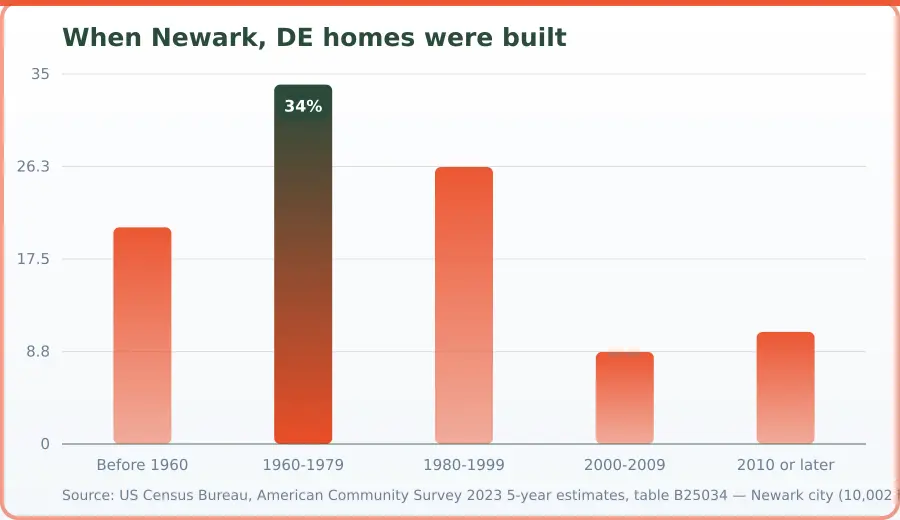
| Period | When homes were built (%) |
|---|---|
| Before 1960 | 20.5 |
| 1960-1979 | 34 |
| 1980-1999 | 26.2 |
| 2000-2009 | 8.7 |
| 2010 or later | 10.6 |
Source: US Census Bureau, American Community Survey 2023 5-year estimates, table B25034 — Newark city (10,002 housing units). Retrieved October 5, 2026.
How Newark's Seasons Shape Mold Removal Cost
Spring: Thaw and Saturation
Spring snowmelt and heavy rain increase groundwater pressure against foundations and crawl spaces throughout the region. Water intrusion into basements and lower levels expands the affected area, requiring larger containment zones and more extensive material removal—drywall, insulation, and structural components. Wider scope means higher removal cost.
Summer: Heat and Humidity Spread
Warm, humid conditions allow mold spores to spread faster through homes and buildings. Summer storms can drive moisture deep into walls and HVAC systems. When mold colonizes ductwork, air handlers, or multiple room cavities, the remediation scope grows to include equipment cleaning or replacement, significantly affecting total cost.
Fall: Transition and Trapped Moisture
As temperatures drop, homes and older properties in neighborhoods like College Park rely on heating systems that can push warm air against cool exterior walls, creating condensation zones. Year-round humidity in Newark's transition-zone climate keeps basements and crawl spaces prone to trapped moisture even as seasons change. Extended mold colonies in these areas require more intensive removal and may need post-remediation clearance testing, raising cost.
Winter: Freeze-Thaw and Hidden Damage
Winter freeze-thaw cycles can crack foundations, seals, and exterior materials, opening new paths for water to enter walls and attics. Once spring arrives, property owners discover mold has spread through hidden cavities over months. The larger hidden scope—requiring selective demolition and inspection of concealed framing—increases the overall cost of removal and any structural rebuild needed afterward.
Related Services
Mold Removal Cost FAQs — Newark, DE
The primary cost drivers are the size of the affected area, the materials involved (drywall, insulation, wood framing), containment requirements, and whether rebuild or restoration work is needed. A small surface mold on finished walls costs less than deep contamination in structural materials. The provider's on-site inspection determines the full scope and sets the price accordingly.
Early detection and removal limit how far mold spreads into walls, floors, and building materials. The longer mold grows, the more area requires treatment, containment, and rebuilding—all of which increase cost. Addressing moisture and mold promptly prevents the need for extensive structural repairs and restoration later.
A local provider visits your property to inspect the affected areas, assess the extent of contamination, identify moisture sources, and evaluate what containment and remediation work is needed. Based on that on-site assessment, the provider prepares a detailed estimate that reflects the true scope of work required for your situation.
Insurance coverage for mold removal varies by policy and the cause of the mold. Some policies cover mold resulting from sudden, covered events; others exclude it entirely. Contact your insurance provider to understand your specific coverage. A local provider can discuss cost options with you during the estimate.
Chase Mold Remediation works to connect you with a local independent provider promptly so you can schedule an on-site inspection and cost estimate without unnecessary delay. The sooner you have an accurate assessment, the sooner you can begin remediation and prevent further damage.
Newark's year-round humid climate creates persistent indoor moisture conditions that encourage mold growth, particularly in basements and crawl spaces common in older homes throughout the area. These moisture-prone spaces often require more extensive remediation and moisture control, which can influence the scope and cost of removal compared to drier climates.
Homeowner Safety Toolkit
Verify Your Newark, DE Mold Remediation Company
Before you hire anyone, use these independent national resources to confirm credentials, standards, and track record.
EPA
The federal government's own guidance on identifying, cleaning up, and preventing mold growth in a home.
Mold Prevention GuideIICRC
Publishes the S520 standard for professional mold remediation. Confirm a company's technicians hold real, current IICRC certification before you hire them.
Verify CertificationCDC
Covers the health effects of mold exposure and safe cleanup practices, separate from the remediation work itself — useful if anyone in the home has respiratory symptoms.
Mold Health GuideQuestions about Mold Removal Cost in Newark, DE? Call (302) 775-9923 to arrange a local on-site estimate.
Call Now — (302) 775-9923Areas We Serve in Newark, Delaware
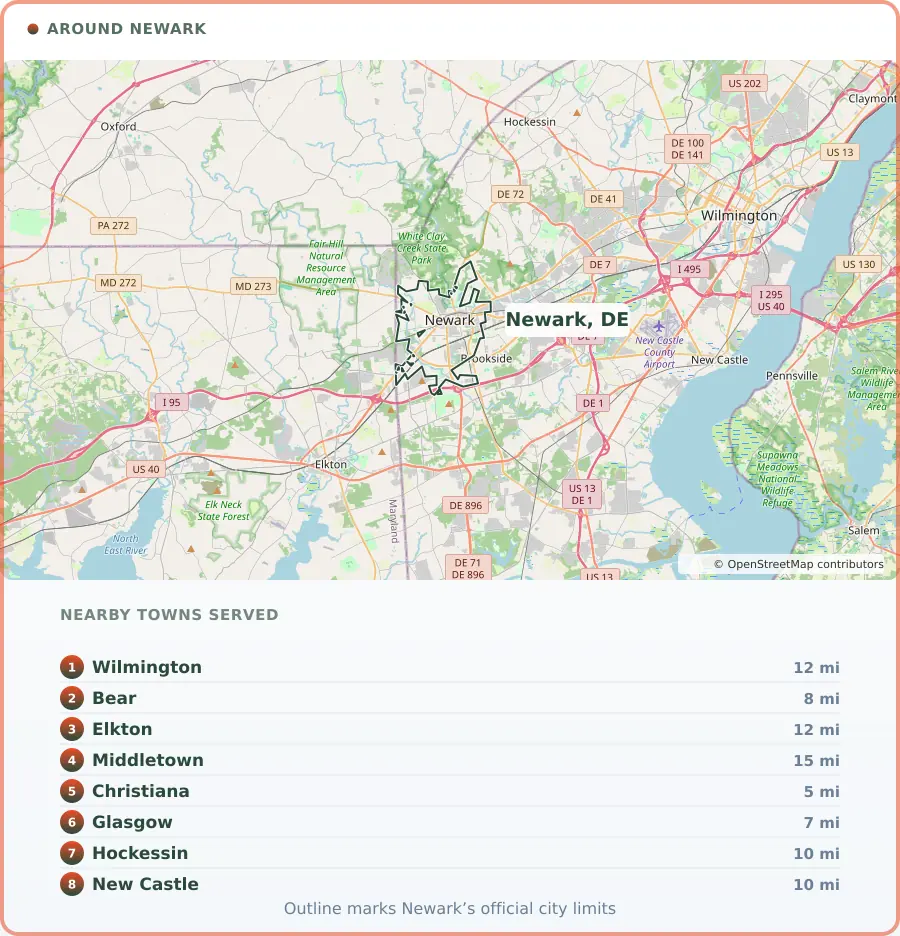
Serving Newark, DE and 8 communities around it. Local knowledge of how each area is built shapes how the work is handled there.
Newark, DE Information
Newark, Delaware is a college town with a diversified backbone. The University of Delaware sets the rhythm of daily life here, fueling steady work in education, research, and healthcare, while major financial employers like Bank of America, JPMorgan Chase, and Capital One keep the local economy humming well beyond campus. Add in a longstanding chemical and biotech presence tied to the state's DuPont heritage, with companies like AstraZeneca and W.L. Gore & Associates in the mix, and you get a city of roughly 31,000 residents that rarely leans on any single industry.
That balance shows up in the neighborhoods, too. From the walkable energy of Downtown Newark to the quieter streets of College Park, the city blends student life with family roots and genuine small-town character, all tucked into the heart of the Delaware Valley.
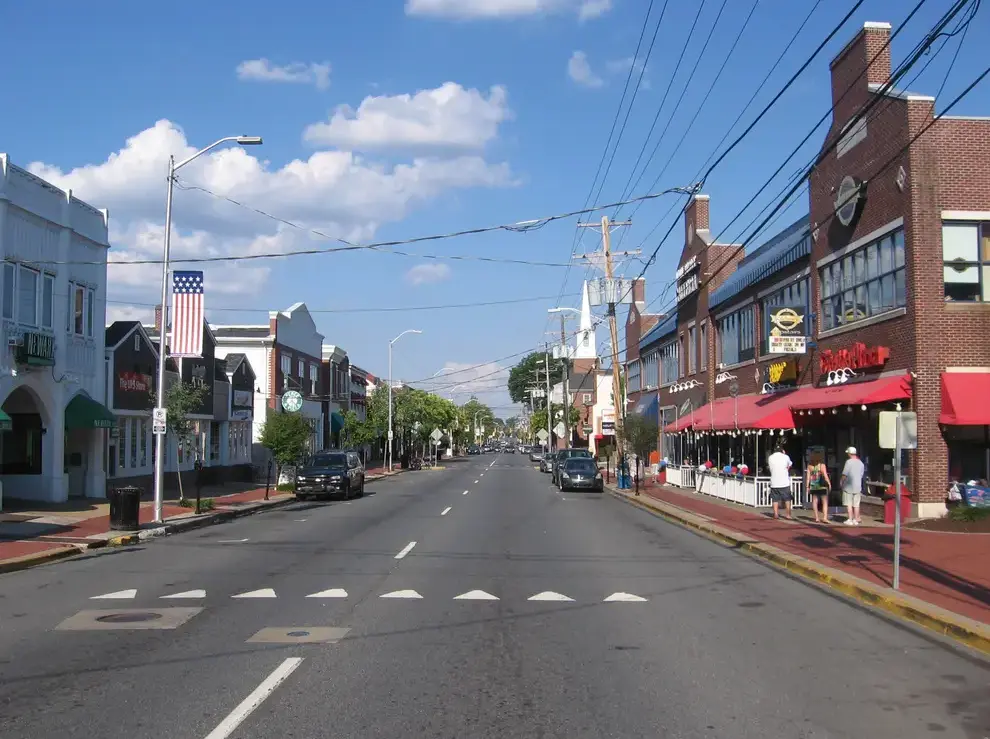
Photo: PookieFugglestein, CC0