

Bathroom Mold Removal in Newark, DE
Newark's year-round humidity creates persistent moisture in many homes, particularly in basements and crawl spaces common in older neighborhoods like College Park and Downtown Newark, where trapped air and inadequate ventilation allow mold to establish readily. Bathrooms amplify this risk, as daily moisture from showers and sinks concentrates in spaces that may already struggle with air circulation. Chase Mold Remediation connects you with local providers who assess bathroom moisture sources and perform removal, helping protect your home's air quality and structural integrity.
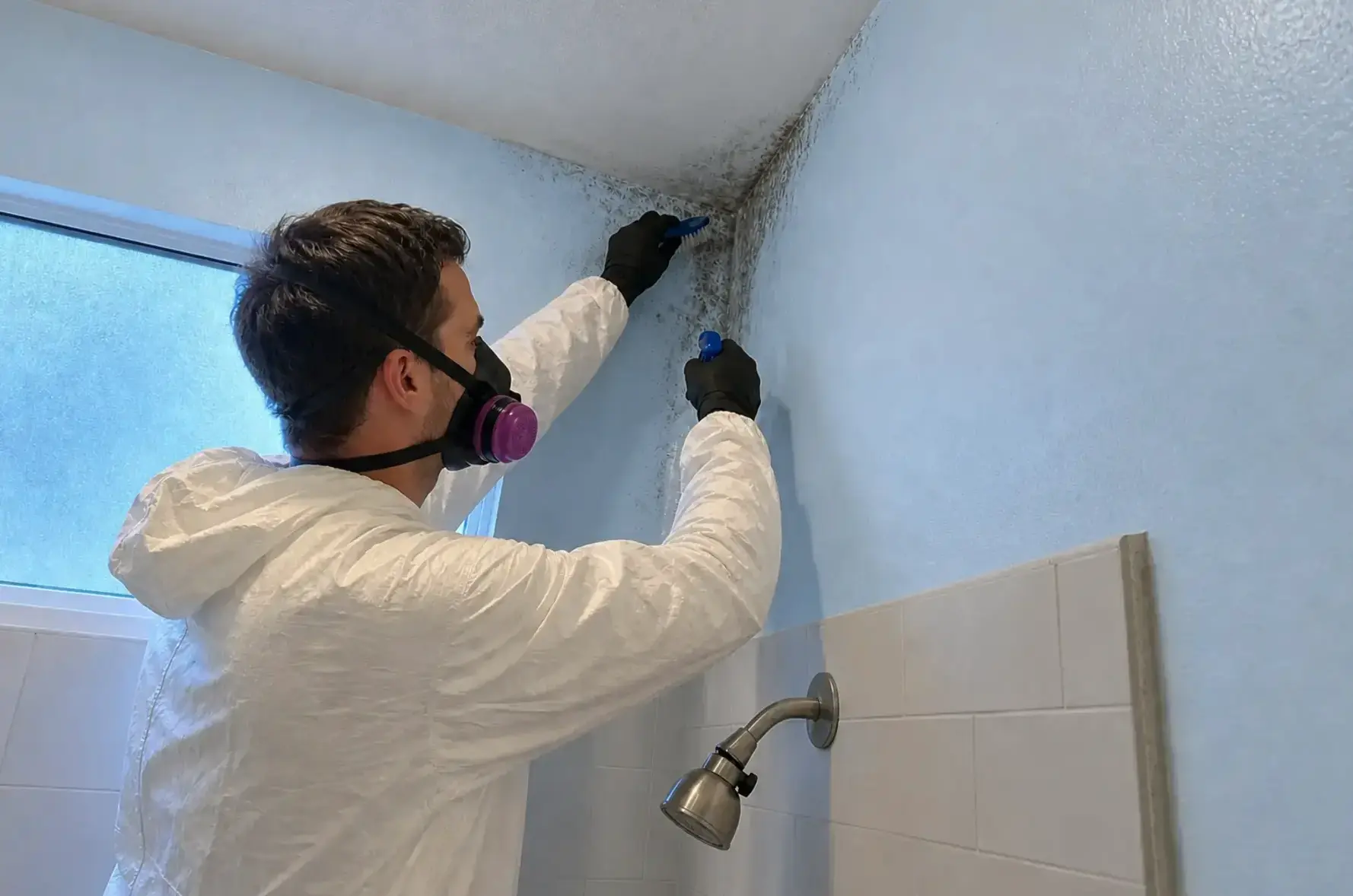
What gets cleaned in a bathroom, and what comes out
Two questions decide the scope of any mold job: what is it growing on, and how much of it is there. The EPA publishes an answer for both, and this is that guidance applied to the materials you would expect in a bathroom.
| Material | Under 10 sq ftabout a cabinet door, or one ceiling tile | 10 to 100 sq ftroughly one wall, or a small bathroom | Over 100 sq ftmore than one room's worth of surface |
|---|---|---|---|
| Non-porous, hard surfaceswall and floor tile, the tub or shower surround, fixturesEPA, Table 2 | Wet vacuumDamp wipeHEPA vacuum | Wet vacuumDamp wipeHEPA vacuum | Wet vacuumDamp wipeHEPA vacuum |
| Wallboardthe drywall behind tile and around the tub surroundEPA, Table 2 | HEPA vacuum | HEPA vacuumRemove and discard | HEPA vacuumRemove and discard |
| Wood surfacesvanity framing, trim and the cabinet carcaseEPA, Table 2 | Wet vacuumDamp wipeHEPA vacuum | Wet vacuumDamp wipeHEPA vacuum | Wet vacuumDamp wipeHEPA vacuumRemove and discard |
| Hard surface, porous flooringsheet vinyl or tile flooring and the subfloor beneath itEPA, Table 2 | Wet vacuumDamp wipeHEPA vacuum | Wet vacuumDamp wipeHEPA vacuum | Wet vacuumDamp wipeHEPA vacuumRemove and discard |
What those methods mean, in EPA's words
- Wet vacuum
Wet vacuums are vacuum cleaners designed to collect water. They can be used to remove water from floors, carpets and hard surfaces where water has accumulated.
EPA, cleanup methods- Damp wipe
Mold can generally be removed from nonporous (hard) surfaces by wiping or scrubbing with water, or water and detergent.
EPA, cleanup methods- HEPA vacuum
HEPA (High-Efficiency Particulate Air) vacuums are recommended for final cleanup of remediation areas after materials have been thoroughly dried and contaminated materials removed.
EPA, cleanup methods- Remove and discard
Building materials and furnishings that are contaminated with mold growth and are not salvageable should be double-bagged using 6-mil polyethylene sheeting.
EPA, cleanup methods
Removed and replaced, whatever the area
- Insulated air ducts — the flexible extract duct from the bathroom fan.
If you have insulated air ducts and the insulation gets wet or moldy it cannot be effectively cleaned and should be removed and replaced.
EPA, air duct cleaningThe affected runs are what get replaced — not necessarily the whole system.
These guidelines are for damage caused by clean water. If you know or suspect that the water source is contaminated with sewage, or chemical or biological pollutants, then Personal Protective Equipment and containment are required by OSHA.
EPA, Table 1Porous materials that are wet and have mold growing on them may have to be discarded.
EPA, cleanup methodsMold can grow on wood, drywall, carpet and furniture if they remain wet for more than 24 hours.
EPA, flood cleanup
Mold that keeps returning along the caulk line usually means water is getting behind the surface rather than sitting on it. The tile itself cleans up and stays; the wallboard behind the surround is the part that decides the size of the job. Worth checking the extract fan too — if it discharges into the roof space instead of outside, the duct is often wetter than the bathroom.
Newark sees measurable rain on about 76.7 days a year, most often in March, against roughly 47 inches in total.Source: NOAA 1991-2020 Climate Normals, NEWARK AG FARM, DE US station (1.1 mi from Newark)
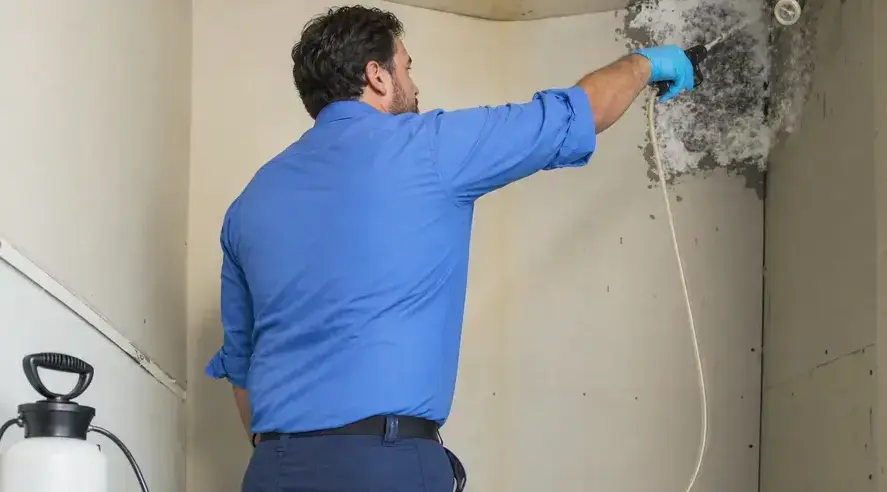
Bathroom Mold Removal Services in Newark, Delaware
Newark's location in Delaware's transition zone between the Piedmont and Coastal Plain brings consistently elevated humidity throughout the year—a condition that keeps indoor moisture levels high well beyond seasonal rainfall. This persistent moisture environment makes bathrooms particularly vulnerable to mold growth. Bathrooms naturally accumulate steam and condensation from daily use, and when that moisture cannot escape or dry properly, it creates ideal conditions for mold to take hold on walls, ceilings, grout, and fixtures. Homeowners and property managers across Newark, from established neighborhoods to newer developments, face this ongoing challenge, especially in older homes where ventilation may be limited or age-related wear has compromised moisture barriers.
Chase Mold Remediation connects Newark property owners with local independent providers who understand bathroom mold removal from assessment through completion. These professionals begin with a thorough inspection to identify affected areas and the source of moisture driving the problem, then contain and remove mold safely while addressing the underlying cause—whether that means improving ventilation, sealing moisture entry points, or drying materials properly. Follow-up guidance helps prevent recurrence and keeps indoor air quality at the forefront. When bathroom mold is caught early and handled with care, the risk of spread to other areas of your home decreases significantly, and your living space becomes healthier and more secure.
Why Newark Property Owners Choose Chase Mold Remediation
Fast Local Bathroom Mold Removal
Chase connects you with independent local providers who respond quickly to bathroom mold concerns. Rapid assessment and treatment prevent mold from spreading deeper into walls, tile, and fixtures.
Bathroom Mold Removal Done Thoroughly
Independent providers in the Chase network handle bathroom mold removal with attention to moisture sources—leaks, ventilation issues, condensation. Addressing root causes reduces the risk of regrowth in shower areas and around fixtures.
Clear Communication Throughout Removal
You receive straightforward explanations of bathroom mold findings, removal steps, and prevention recommendations. Direct communication with local providers ensures you understand what's happening and what comes next.
Bathroom Mold Solutions for Newark's Humid Climate
Delaware's year-round humid conditions keep indoor moisture levels elevated throughout the seasons, making bathrooms particularly vulnerable to mold growth. Chase connects Newark homeowners with providers who understand how persistent indoor humidity drives bathroom mold and help restore healthy air quality.
How Our Bathroom Mold Removal Process Works
Schedule Your Bathroom Mold Removal Visit
Contact Chase Mold Remediation to describe bathroom mold in your Newark home, and we'll connect you with a local independent provider who can schedule a bathroom mold inspection at your convenience.
Professional Bathroom Mold Assessment
The local provider evaluates the extent of bathroom mold, identifies moisture sources—often from inadequate ventilation or condensation common in Delaware's humid climate—and determines the scope of bathroom mold removal needed to restore safe indoor air quality.
Bathroom Mold Removal and Moisture Control
The independent provider removes affected bathroom surfaces, applies appropriate treatments, and addresses ventilation or moisture barriers to help prevent bathroom mold from returning. We follow up to confirm the bathroom mold removal is complete.
Dealing with Bathroom Mold Removal in Newark? Get fast, professional help.
Call Now — (302) 775-9923Bathroom Mold Removal Serving Newark and Surrounding Areas
Newark's location in Delaware's transition zone creates persistently humid conditions throughout the year, which means indoor moisture levels often remain elevated regardless of season. This year-round humidity makes bathrooms—already naturally moisture-prone spaces—especially vulnerable to mold growth. Without proper ventilation and moisture control, bathroom surfaces, grout, caulk, and wall cavities can develop active mold colonies that compromise both air quality and structural integrity. Properties in established neighborhoods like College Park and Fairfield, as well as newer developments, face this same humidity-driven risk, making regular bathroom inspection and swift removal critical to prevent spread into surrounding areas.
Chase Mold Remediation connects Newark property owners with local independent providers who understand how this region's consistent moisture patterns affect bathroom environments. When you contact us, we help match you with a removal professional nearby who can assess the extent of mold in your bathroom, contain the affected area safely, and execute thorough remediation. Early action prevents mold from migrating into walls, insulation, and other hidden spaces where it becomes far more difficult and costly to address.
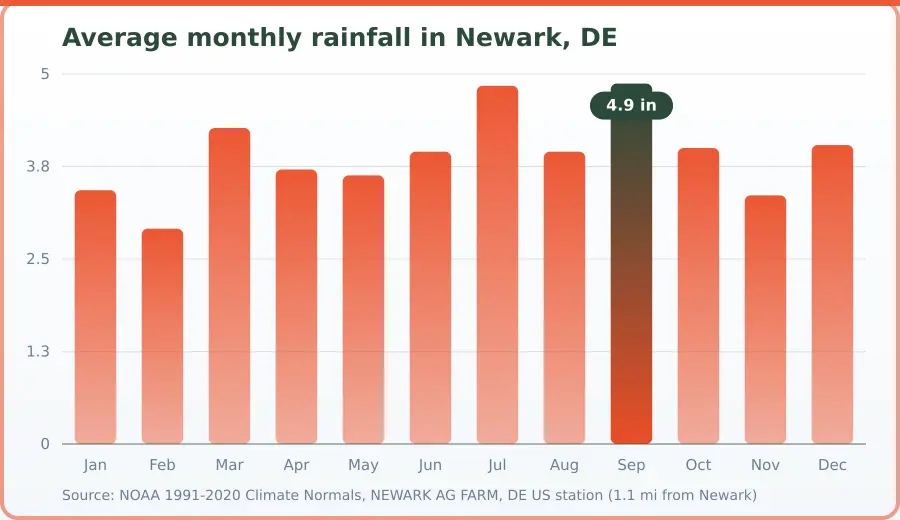
| Period | Monthly rainfall (in) |
|---|---|
| Jan | 3.4 |
| Feb | 2.9 |
| Mar | 4.3 |
| Apr | 3.7 |
| May | 3.6 |
| Jun | 4 |
| Jul | 4.8 |
| Aug | 4 |
| Sep | 4.9 |
| Oct | 4 |
| Nov | 3.4 |
| Dec | 4 |
Source: NOAA 1991-2020 Climate Normals, NEWARK AG FARM, DE US station (1.1 mi from Newark). Retrieved October 5, 2026.
Bathroom Mold Removal Across Newark's Seasons
Spring: Rising Moisture
Spring thaw and increased rainfall in Newark elevate indoor humidity, especially in bathrooms where steam from showers has nowhere to escape. Chase Mold Remediation connects property owners with local providers who assess ventilation, identify early mold growth, and remove it before it spreads to walls or ceilings.
Summer: Active Growth
Warm, humid summer conditions accelerate bathroom mold development, particularly in older homes throughout areas like College Park and Downtown Newark where trapped moisture in poorly ventilated spaces creates ideal breeding grounds. Local providers accessed through Chase help contain and remove active mold colonies before they compromise grout, caulk, and structural materials.
Fall: Seasonal Shift
As fall weather patterns bring variable humidity and indoor heating kicks on, bathroom moisture dynamics change—condensation on mirrors and fixtures becomes more visible, revealing underlying mold issues. Chase connects Newark property owners with remediation providers who address fall-triggered bathroom mold before winter sealing traps moisture indoors for months.
Winter: Humidity Trap
Newark's year-round humid transition-zone climate means winter does not dry out indoor spaces; instead, closed homes and heated interiors create persistent bathroom moisture conditions where mold thrives beneath tile, behind fixtures, and in grout lines. Chase Mold Remediation links property owners to local providers who remove winter mold and evaluate ventilation to prevent recurrence.
Bathroom Mold Removal FAQs — Newark, DE
Bathroom mold removal begins with a thorough inspection to identify affected surfaces—tile, grout, drywall, and fixtures. The local provider isolates the area to prevent spore spread, removes contaminated materials safely, treats underlying moisture sources, and cleans or replaces affected finishes. The goal is complete removal while addressing why moisture accumulated in the first place.
Chase Mold Remediation connects you with local independent providers in the Newark area who can respond to your bathroom mold concern. Response times vary by provider availability and the scope of your situation. Once connected, you can discuss timeline and scheduling directly with the provider handling your removal.
Bathroom mold removal pricing depends on the extent of mold growth, number of affected surfaces, whether structural materials like drywall need replacement, and the complexity of moisture control solutions required. Providers will assess your specific bathroom during an initial inspection to give you an accurate cost estimate based on what they find.
Before the local provider arrives, remove personal items and toiletries from the affected bathroom. Clear access to all walls, fixtures, and surfaces so the provider can inspect thoroughly and work efficiently. The provider will guide you on containment setup and any areas to avoid during the removal process to keep your home protected.
After removal, run your exhaust fan during and 20–30 minutes after showers to vent humidity outdoors. Wipe down wet surfaces, fix leaks promptly, and ensure your bathroom is well-ventilated. Keep caulk and grout sealed, and monitor corners and areas prone to condensation—early attention prevents mold from taking hold again.
Newark experiences consistently elevated indoor humidity throughout the year, which creates ideal conditions for mold growth in bathrooms even without obvious leaks. This year-round moisture exposure makes bathroom mold a persistent concern, especially in older homes where ventilation may be limited. Prompt removal and moisture control become even more important to maintain healthy indoor air quality.
Related Services
Homeowner Safety Toolkit
Verify Your Newark, DE Mold Remediation Company
Before you hire anyone, use these independent national resources to confirm credentials, standards, and track record.
EPA
The federal government's own guidance on identifying, cleaning up, and preventing mold growth in a home.
Mold Prevention GuideIICRC
Publishes the S520 standard for professional mold remediation. Confirm a company's technicians hold real, current IICRC certification before you hire them.
Verify CertificationCDC
Covers the health effects of mold exposure and safe cleanup practices, separate from the remediation work itself — useful if anyone in the home has respiratory symptoms.
Mold Health GuideDealing with Bathroom Mold Removal in Newark, DE? Call (302) 775-9923 for 24/7 help.
Call Now — (302) 775-9923Areas We Serve in Newark, Delaware
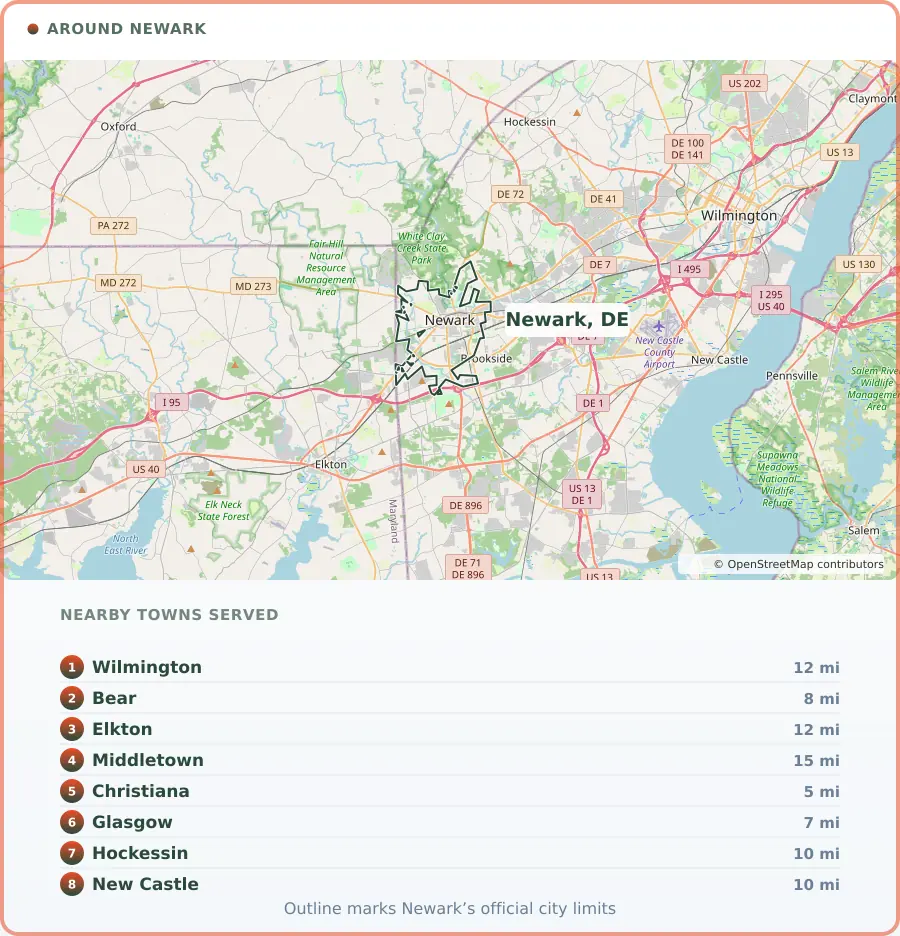
Serving Newark, DE and 8 communities around it. Local knowledge of how each area is built shapes how the work is handled there.
Newark, DE Information
Newark, Delaware is a college town with a diversified backbone. The University of Delaware sets the rhythm of daily life here, fueling steady work in education, research, and healthcare, while major financial employers like Bank of America, JPMorgan Chase, and Capital One keep the local economy humming well beyond campus. Add in a longstanding chemical and biotech presence tied to the state's DuPont heritage, with companies like AstraZeneca and W.L. Gore & Associates in the mix, and you get a city of roughly 31,000 residents that rarely leans on any single industry.
That balance shows up in the neighborhoods, too. From the walkable energy of Downtown Newark to the quieter streets of College Park, the city blends student life with family roots and genuine small-town character, all tucked into the heart of the Delaware Valley.
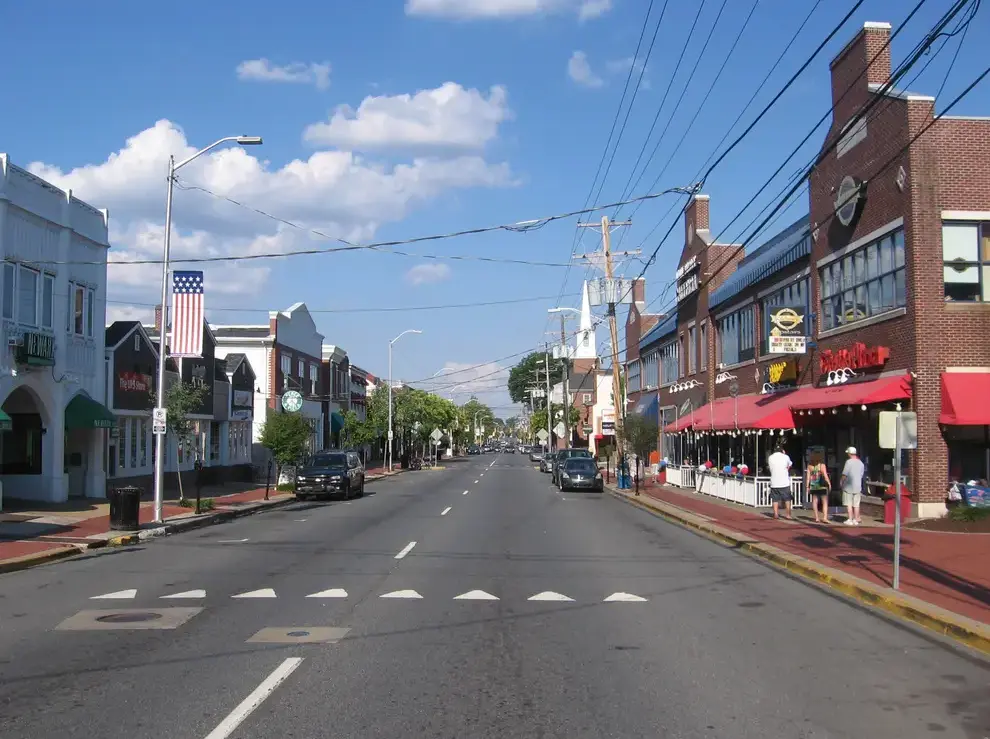
Photo: PookieFugglestein, CC0