

Crawl Space Mold Removal in Newark, DE
Newark's year-round humidity creates persistent moisture conditions that make crawl spaces especially vulnerable to mold growth, particularly in older homes throughout areas like College Park and Fairfield where these foundation types are common. Trapped moisture in crawl spaces can degrade structural materials and affect indoor air quality if left unaddressed. Chase Mold Remediation connects Newark property owners with local providers who specialize in crawl space mold removal, ensuring thorough containment and remediation to protect both the home's integrity and the health of its occupants.
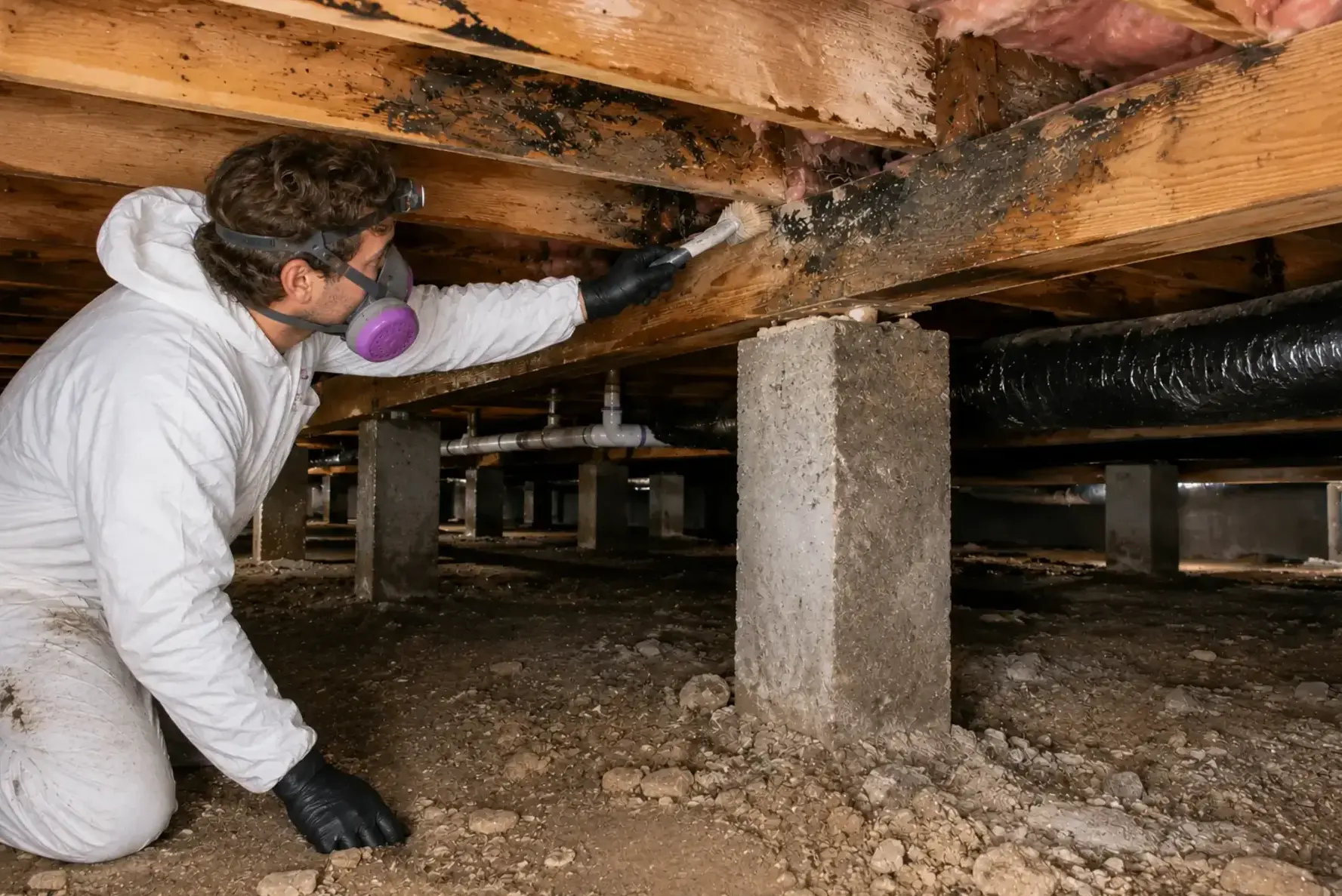
What gets cleaned in a crawl space, and what comes out
Two questions decide the scope of any mold job: what is it growing on, and how much of it is there. The EPA publishes an answer for both, and this is that guidance applied to the materials you would expect in a crawl space.
| Material | Under 10 sq ftabout a cabinet door, or one ceiling tile | 10 to 100 sq ftroughly one wall, or a small bathroom | Over 100 sq ftmore than one room's worth of surface |
|---|---|---|---|
| Wood surfacesfloor joists, subfloor, beams and piersEPA, Table 2 | Wet vacuumDamp wipeHEPA vacuum | Wet vacuumDamp wipeHEPA vacuum | Wet vacuumDamp wipeHEPA vacuumRemove and discard |
| Concrete or cinder blockblock piers, stem walls and any slabEPA, Table 2 | Wet vacuumHEPA vacuum | Wet vacuumHEPA vacuum | Wet vacuumHEPA vacuum |
What those methods mean, in EPA's words
- Wet vacuum
Wet vacuums are vacuum cleaners designed to collect water. They can be used to remove water from floors, carpets and hard surfaces where water has accumulated.
EPA, cleanup methods- Damp wipe
Mold can generally be removed from nonporous (hard) surfaces by wiping or scrubbing with water, or water and detergent.
EPA, cleanup methods- HEPA vacuum
HEPA (High-Efficiency Particulate Air) vacuums are recommended for final cleanup of remediation areas after materials have been thoroughly dried and contaminated materials removed.
EPA, cleanup methods- Remove and discard
Building materials and furnishings that are contaminated with mold growth and are not salvageable should be double-bagged using 6-mil polyethylene sheeting.
EPA, cleanup methods
Removed and replaced, whatever the area
- Fiberglass or other insulation — batt insulation between the joists.
Fiber glass, or any other insulation material that is wet or visibly moldy (or if an unacceptable odor is present) should be removed and replaced by a qualified heating and cooling system contractor.
EPA, air duct cleaningEPA states this in its heating-and-cooling guidance and it is quoted here as written. Its water-damage table reaches the same conclusion for both fiberglass and cellulose insulation.
These guidelines are for damage caused by clean water. If you know or suspect that the water source is contaminated with sewage, or chemical or biological pollutants, then Personal Protective Equipment and containment are required by OSHA.
EPA, Table 1Porous materials that are wet and have mold growing on them may have to be discarded.
EPA, cleanup methodsMold can grow on wood, drywall, carpet and furniture if they remain wet for more than 24 hours.
EPA, flood cleanup
A missing or torn vapor barrier lets ground moisture into the framing continuously, so the lasting fix is the barrier and the drainage rather than the cleaning. Joists and subfloor are wood and are usually salvageable even at large areas. The batt insulation between them is not — and pulling it is often how the real extent of the problem first becomes visible.
Flooding is part of the record here, not an exception: 29 separate years in New Castle County, concentrated in the 2010s.Source: NOAA Storm Events Database, New Castle County (1996-2026; Flood, Flash Flood and Coastal Flood events)
Crawl Space Mold Removal Services for Newark Homeowners
Newark's location in Delaware's Piedmont-to-Coastal Plain transition zone creates persistently humid conditions throughout the year, keeping indoor moisture levels elevated well beyond seasonal rainfall periods. This year-round moisture environment makes crawl spaces particularly vulnerable to mold growth, especially in older homes across neighborhoods like College Park and Downtown Newark where these foundation areas are common. When humidity becomes trapped in a crawl space without proper ventilation or sealing, mold can develop quickly and spread throughout the structure, affecting air quality in the rooms above and potentially compromising building materials over time. Property owners in Newark who notice musty odors, visible discoloration, or signs of moisture in their crawl spaces need prompt professional assessment and removal to prevent further deterioration.
Chase Mold Remediation connects Newark homeowners with independent local providers who specialize in crawl space mold removal. These professionals conduct thorough inspections to identify mold colonies, assess moisture sources, and contain affected areas properly before removal begins. The providers in our network focus on eliminating mold growth safely and addressing the moisture conditions that allow it to thrive, rather than offering a temporary surface fix. Following removal, they help establish drying and ventilation strategies to reduce the likelihood of recurrence. If you suspect mold in your crawl space, contacting a local provider through Chase Mold Remediation puts you in touch with experienced professionals ready to evaluate your home and recommend next steps.
Why Newark Property Owners Choose Chase Mold Remediation
Fast Local Crawl Space Access
Chase connects you with independent local providers who understand Newark properties and respond quickly to crawl space mold concerns. Fast local response means less time for moisture and mold to spread in hard-to-monitor spaces.
Thorough Crawl Space Mold Removal
Independent providers in the Chase network use comprehensive removal methods tailored to crawl space conditions—addressing moisture, containment, and complete mold elimination to restore the space safely and protect your home's structural integrity.
Clear Communication Throughout
You'll receive straightforward explanations of crawl space mold findings, removal steps, and prevention recommendations. Transparent communication helps you understand the scope of work and make informed decisions about your property.
Crawl Space Mold Prevention Year-Round
Newark's consistently humid conditions mean crawl spaces remain moisture-prone throughout the year, creating persistent mold risk. Local providers connected through Chase help property owners address ongoing humidity and ventilation challenges to keep crawl spaces dry and mold-free.
How Our Crawl Space Mold Removal Process Works
Schedule Your Crawl Space Mold Removal Visit
Contact Chase Mold Remediation to connect with a local crawl space mold removal provider in Newark. They'll discuss your crawl space concerns, answer your questions, and schedule an inspection at a time that works for you.
Get Your Crawl Space Assessed
A local provider visits to inspect your crawl space for mold growth, moisture sources, and ventilation issues. In Newark's humid climate, crawl spaces often trap moisture year-round, making this inspection critical to identify where mold has taken hold and what's driving it.
Complete Crawl Space Mold Removal
Once you approve the plan, the provider performs targeted crawl space mold removal, addresses moisture sources, and improves drainage or ventilation to reduce future mold risk. They'll explain aftercare steps to help keep your crawl space dry and mold-free.
Dealing with Crawl Space Mold Removal in Newark? Get fast, professional help.
Call Now — (302) 775-9923Crawl Space Mold Removal Across Newark
Newark's location in Delaware's transition zone between the Piedmont and Coastal Plain means the area experiences consistently elevated humidity levels throughout the year. This persistent moisture creates an environment where crawl spaces—common in many older Newark homes—become particularly vulnerable to trapped humidity and mold colonization if ventilation and moisture barriers are not properly maintained. Properties in neighborhoods like College Park and Fairfield, where established construction is prevalent, often have crawl spaces that require specialized attention to prevent moisture accumulation and the mold growth that follows.
Year-round humidity, rather than seasonal spikes alone, keeps indoor moisture levels high enough to support mold development in below-grade spaces. Crawl space mold removal in Newark addresses this ongoing risk by targeting the root cause—moisture control—rather than treating symptoms alone. Chase Mold Remediation connects Newark property owners with local independent providers who understand how the region's moisture patterns affect crawl spaces and can design removal and prevention strategies suited to these conditions.
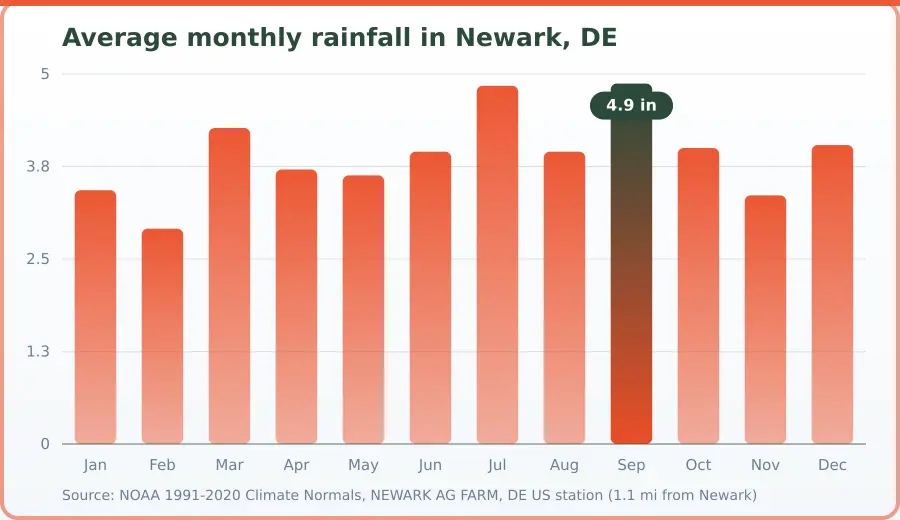
| Period | Monthly rainfall (in) |
|---|---|
| Jan | 3.4 |
| Feb | 2.9 |
| Mar | 4.3 |
| Apr | 3.7 |
| May | 3.6 |
| Jun | 4 |
| Jul | 4.8 |
| Aug | 4 |
| Sep | 4.9 |
| Oct | 4 |
| Nov | 3.4 |
| Dec | 4 |
Source: NOAA 1991-2020 Climate Normals, NEWARK AG FARM, DE US station (1.1 mi from Newark). Retrieved October 5, 2026.
Crawl Space Mold Through Newark's Seasons
Spring: Rising Moisture
Spring snowmelt and increased rainfall raise groundwater levels, pushing moisture into crawl spaces through foundation walls and soil. Mold growth accelerates as temperatures warm. Chase connects Newark property owners with local providers who assess crawl space moisture barriers and ventilation to prevent seasonal mold expansion.
Summer: Heat and Humidity
Summer heat intensifies condensation in crawl spaces, especially in older neighborhoods like Pencader where insulation or vapor barriers may be inadequate. Mold thrives in warm, damp conditions. Our referral service links homeowners with providers who inspect crawl space environments and recommend remediation tailored to summer moisture patterns.
Fall: Persistent Ground Moisture
Crawl spaces in the Newark region remain vulnerable to elevated moisture year-round due to the area's transition zone location and consistently humid conditions that keep soil and indoor air saturated. As temperatures drop, trapped humidity in poorly sealed or ventilated crawl spaces becomes an ideal breeding ground. Chase Mold Remediation connects property owners with local specialists who evaluate crawl space conditions and design removal and prevention strategies suited to regional moisture profiles.
Winter: Cold and Condensation
Winter temperature swings between heated homes and cold crawl spaces create condensation buildup on surfaces and structural elements. Mold takes hold on wood framing and insulation. Chase helps Newark residents find local providers experienced in winter crawl space inspection and removal, addressing moisture before spring conditions worsen.
Crawl Space Mold Removal FAQs — Newark, DE
Crawl space mold removal involves inspection to identify affected areas, containment to prevent spores from spreading, removal of contaminated materials, cleaning and treatment of surfaces, and restoration of proper ventilation or moisture control. The process depends on the extent of growth and underlying moisture source. Chase Mold Remediation connects you with local providers who assess your crawl space and explain the specific steps needed for your home.
Chase Mold Remediation works to match you with independent local providers quickly so you can address crawl space mold without delay. Response times depend on provider availability in your area. Once connected, the provider will schedule an inspection and discuss the timeline for remediation based on the scope of work needed.
Crawl space mold removal pricing depends on the size of the affected area, severity of mold growth, accessibility of the crawl space, materials that need removal or replacement, and the moisture control or ventilation improvements required. Each provider sets their own pricing. Chase Mold Remediation helps you connect with local providers who can evaluate your crawl space and provide cost details.
Before remediation, clear pathways to your crawl space if possible and discuss any safety concerns with the provider. They may request that you vacate during work or seal off certain areas. The provider will outline specific preparation steps during the initial inspection. Most of the work occurs in the crawl space itself, so your involvement is typically minimal once the process begins.
After removal, controlling moisture is key to preventing recurrence. This may include improving ventilation, sealing air leaks, installing a vapor barrier, ensuring proper drainage around your foundation, or using a dehumidifier. The provider who performs your remediation can recommend specific prevention strategies for your crawl space. Regular inspections help catch early signs of moisture problems before mold returns.
Newark's year-round humid conditions mean moisture levels stay elevated indoors throughout much of the year, not just seasonally. Crawl spaces trap this humidity and have limited air circulation, making them ideal for mold. Older homes in neighborhoods like Downtown Newark and College Park are particularly vulnerable if crawl spaces lack proper ventilation or moisture barriers. Addressing humidity control is essential for long-term mold prevention.
Related Services
Homeowner Safety Toolkit
Verify Your Newark, DE Mold Remediation Company
Before you hire anyone, use these independent national resources to confirm credentials, standards, and track record.
EPA
The federal government's own guidance on identifying, cleaning up, and preventing mold growth in a home.
Mold Prevention GuideIICRC
Publishes the S520 standard for professional mold remediation. Confirm a company's technicians hold real, current IICRC certification before you hire them.
Verify CertificationCDC
Covers the health effects of mold exposure and safe cleanup practices, separate from the remediation work itself — useful if anyone in the home has respiratory symptoms.
Mold Health GuideDealing with Crawl Space Mold Removal in Newark, DE? Call (302) 775-9923 for 24/7 help.
Call Now — (302) 775-9923Areas We Serve in Newark, Delaware
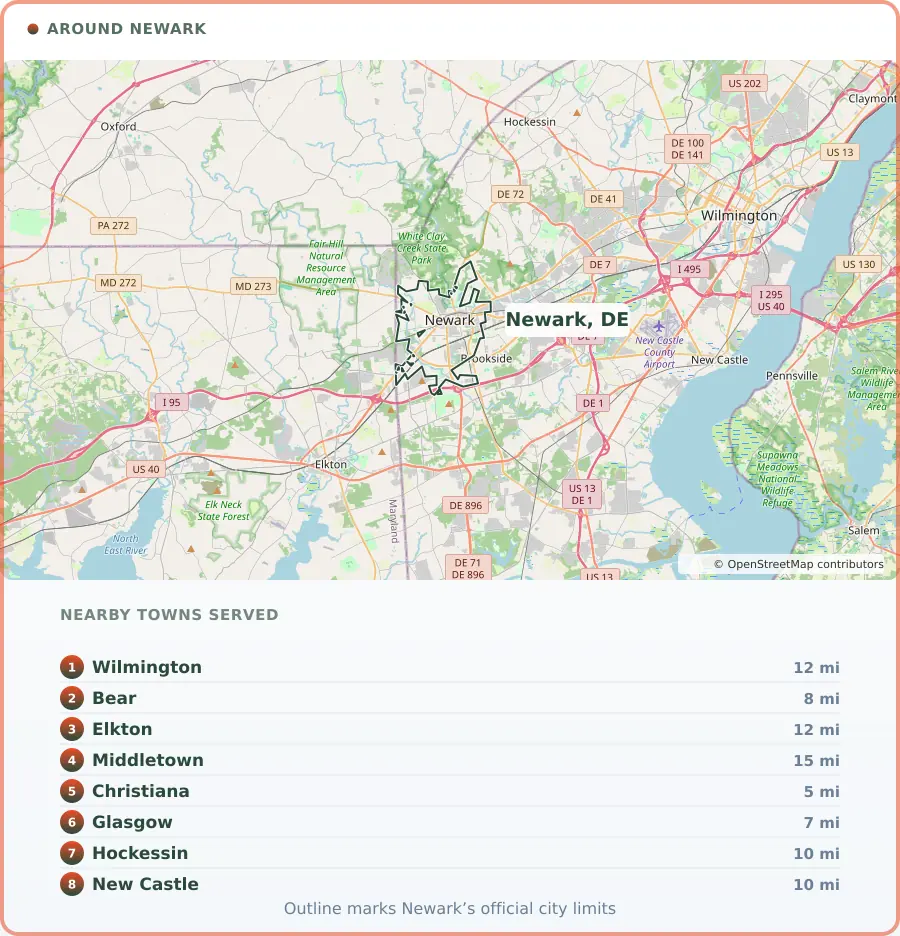
Serving Newark, DE and 8 communities around it. Local knowledge of how each area is built shapes how the work is handled there.
Newark, DE Information
Newark, Delaware is a college town with a diversified backbone. The University of Delaware sets the rhythm of daily life here, fueling steady work in education, research, and healthcare, while major financial employers like Bank of America, JPMorgan Chase, and Capital One keep the local economy humming well beyond campus. Add in a longstanding chemical and biotech presence tied to the state's DuPont heritage, with companies like AstraZeneca and W.L. Gore & Associates in the mix, and you get a city of roughly 31,000 residents that rarely leans on any single industry.
That balance shows up in the neighborhoods, too. From the walkable energy of Downtown Newark to the quieter streets of College Park, the city blends student life with family roots and genuine small-town character, all tucked into the heart of the Delaware Valley.
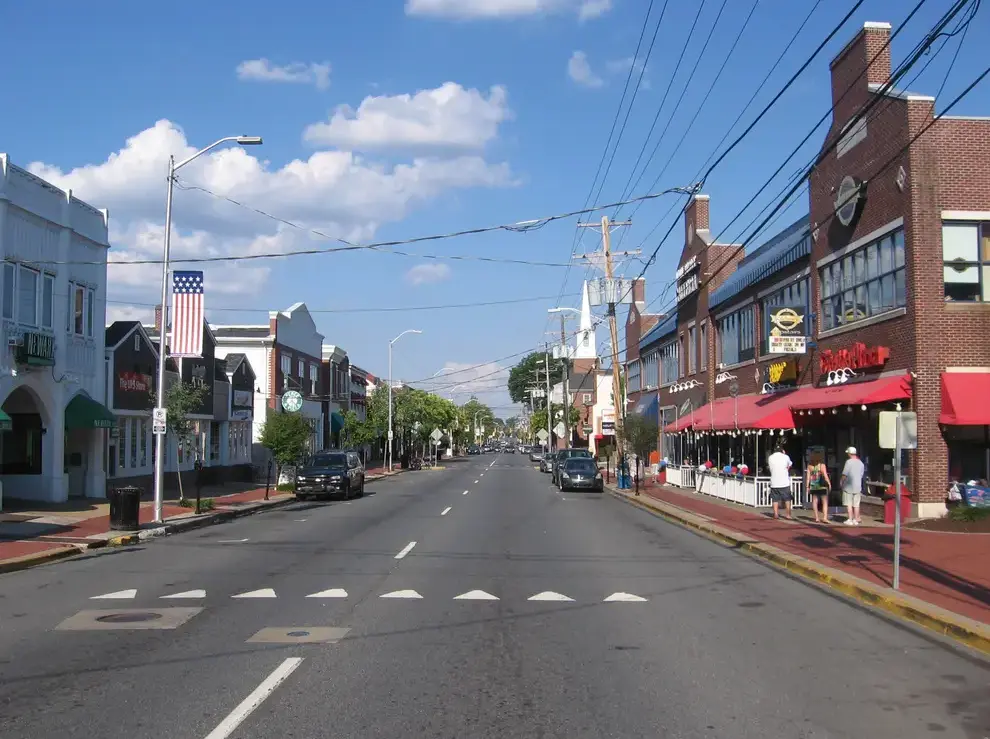
Photo: PookieFugglestein, CC0